adventure
🐠 Great Barrier Reef
📍 Australia · Oceania
📍 Australia · Oceania
🏛 World's Largest Coral Reef System
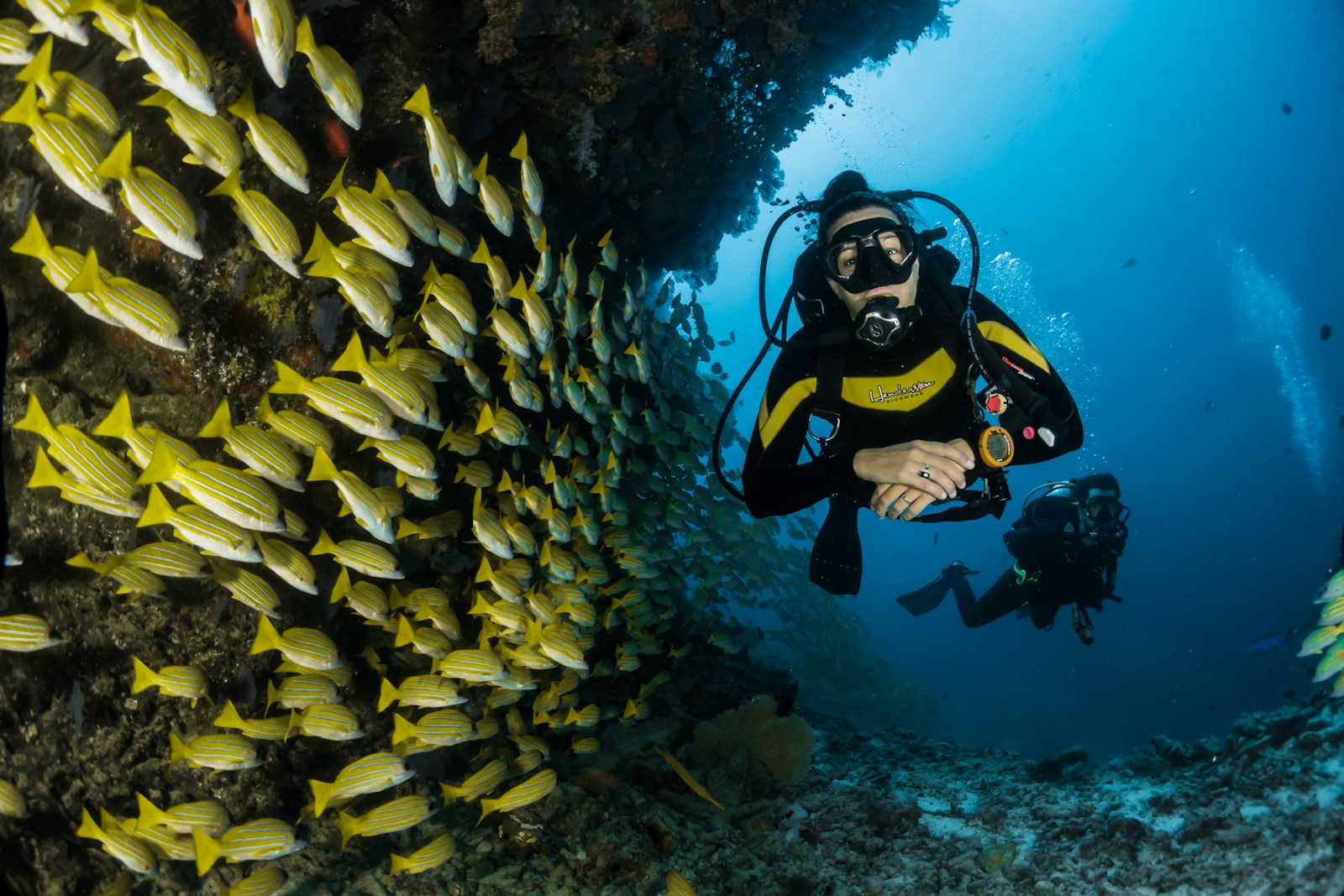
The Great Barrier Reef is the largest living structure on Earth — 2,300 kilometres of coral reef ecosystem along the Queensland coast, visible from space, and home to 25% of all marine species despite covering less than 0.1% of the world's ocean surface. It consists of approximately 2,900 individual reefs and 900 islands, supporting 1,500 fish species, 4,000 mollusc species, 240 bird species, and 6 of the world's 7 sea turtle species. The reef has existed in its current form for approximately 8,000 years, built on a carbonate platform forming for 500,000 years — a biological inheritance of extraordinary complexity and fragility.
The primary gateway towns are Cairns (outer reef by fast catamaran, 1.5-2 hours) and the Whitsundays (inner reef sailing, 2 hours from Airlie Beach by boat). The outer reef from Cairns offers the most spectacular diving and snorkeling: wall dives, coral bommies with exceptional biodiversity, and encounters with green sea turtles at Michaelmas Cay. Cod Hole on Ribbon Reef 10 is famous for giant potato cod (over a metre long) that feed from divers' hands. The remote Coral Sea seamounts — accessible only by liveaboard — have vertical walls dropping to 2,000 metres, with grey reef sharks and hammerhead aggregations.
Coral bleaching driven by marine heatwaves (2016, 2017, 2020, 2022) has significantly damaged large sections of the reef — approximately 50% of shallow coral cover lost in mass bleaching events since 2016. However, the reef's sheer size means large areas of intact, healthy coral remain, particularly in central and southern sections. Many dive operators update their sites annually based on coral health surveys.
Practical planning: Best time June to October (dry season, water temperature 23-26 degrees, good visibility). November to May brings stinger season — box jellyfish and Irukandji in shallow nearshore waters require stinger suits for beach swimming. The Great Barrier Reef Marine Park Authority charges a reef tax ($7/day per person) at departure. Liveaboard dive trips (3-7 nights) offer the best diving and access to remote sites. For non-divers, glass-bottom boats and helicopter flights provide accessible overview experiences from Cairns and the Whitsundays.
Practical planning for Great Barrier Reef: the best time to visit is season-dependent, with a typical budget level of mid-range. Most travellers need three to five full days to cover the highlights without rushing — add extra time if you are combining Great Barrier Reef with nearby regions.
Priority experiences include local food, culture, and outdoor experiences. Do not miss the main sights and neighbourhoods.
Before you book, verify entry requirements for Australia — visa rules, passport validity, and any health documentation change frequently. Travel insurance with medical evacuation cover is worthwhile for international trips.
Where to stay: pick a walkable neighbourhood close to your main interests rather than the cheapest option far from the centre — transport costs and lost time often erase the savings. Book popular restaurants, guided tours, and peak-season accommodation early for high season dates.
Divers willing to research coral health before booking, snorkelers wanting accessible world-class reef, and anyone building a Queensland coastal itinerary combining reef with rainforest and Whitsunday sailing.
Compare prices and book your trip — hotels, flights, and guided tours.
* Links open partner sites. We may earn a commission at no extra cost to you. See our editorial policy.