adventure
🧊 Jasper National Park
📍 Canada · North America
📍 Canada · North America
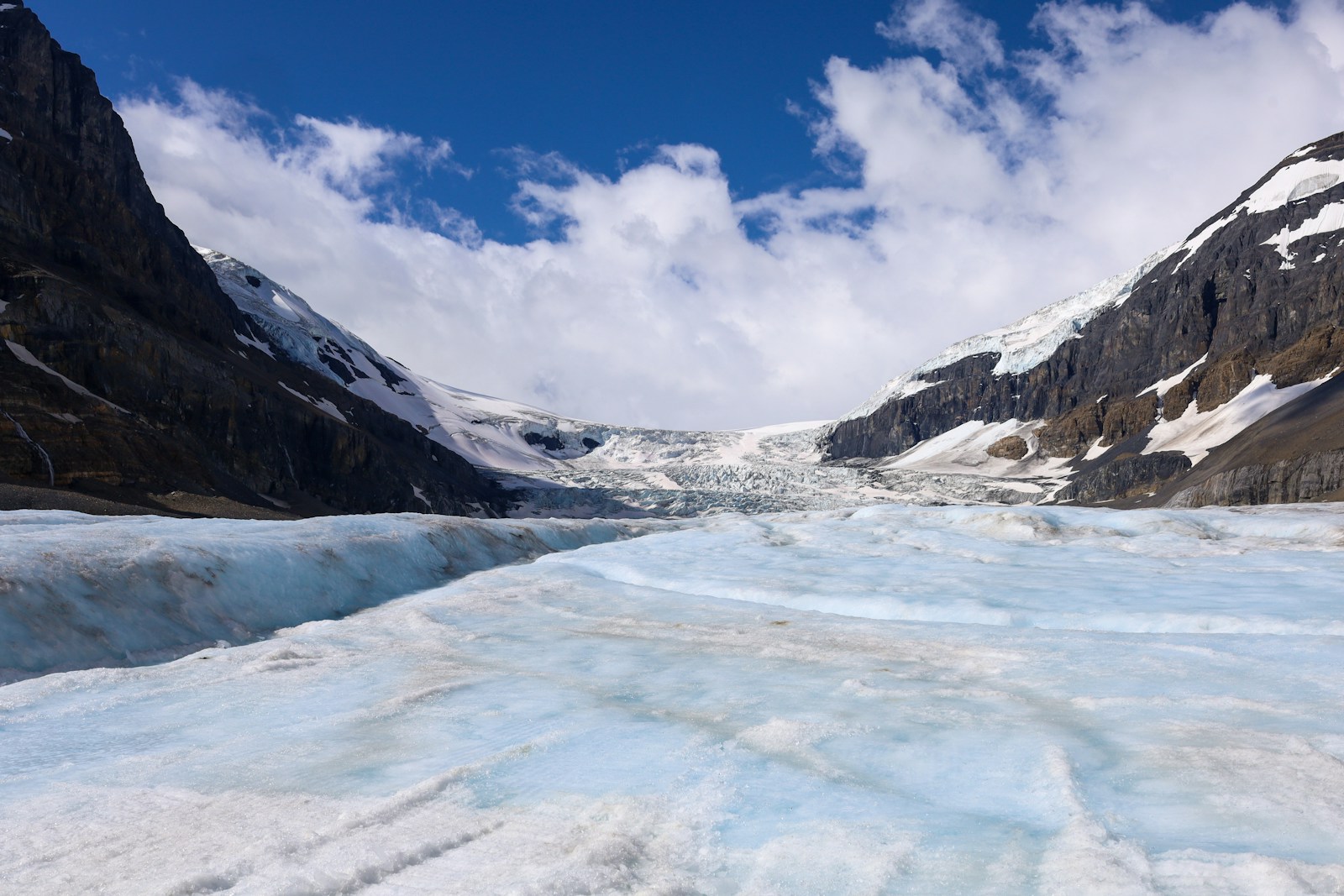
🏛 Columbia Icefield
Jasper National Park covers 10,878 square kilometres of the Canadian Rockies in northern Alberta — nearly twice the size of Banff — with a wilderness character that remains wilder and less developed than its more famous neighbour to the south. The park encompasses the Columbia Icefield, the largest sub-polar ice mass in North America, from which six major glaciers descend including the Athabasca, the most accessible glacier on the continent. The Icefields Parkway, the 232-kilometre highway connecting Jasper and Banff, passes through landscapes of such concentrated grandeur — glaciers, turquoise lakes, braided rivers, hanging valleys — that it is routinely listed among the world's top scenic drives.
Wildlife in Jasper is both abundant and approachable in ways that surprise visitors. Elk graze in Jasper townsite meadows year-round, occasionally blocking traffic on Connaught Drive. Bighorn sheep occupy the rocky slopes above the highway. In September and October, the elk rut transforms the townsite into an extraordinary wildlife spectacle — bull elk with massive antlers bugling their territorial challenges across the parking lots while rangers maintain respectful distances. Wolves, grizzly and black bears, moose, and woodland caribou reward patient early-morning drives along the Maligne Lake Road and the Icefields Parkway.
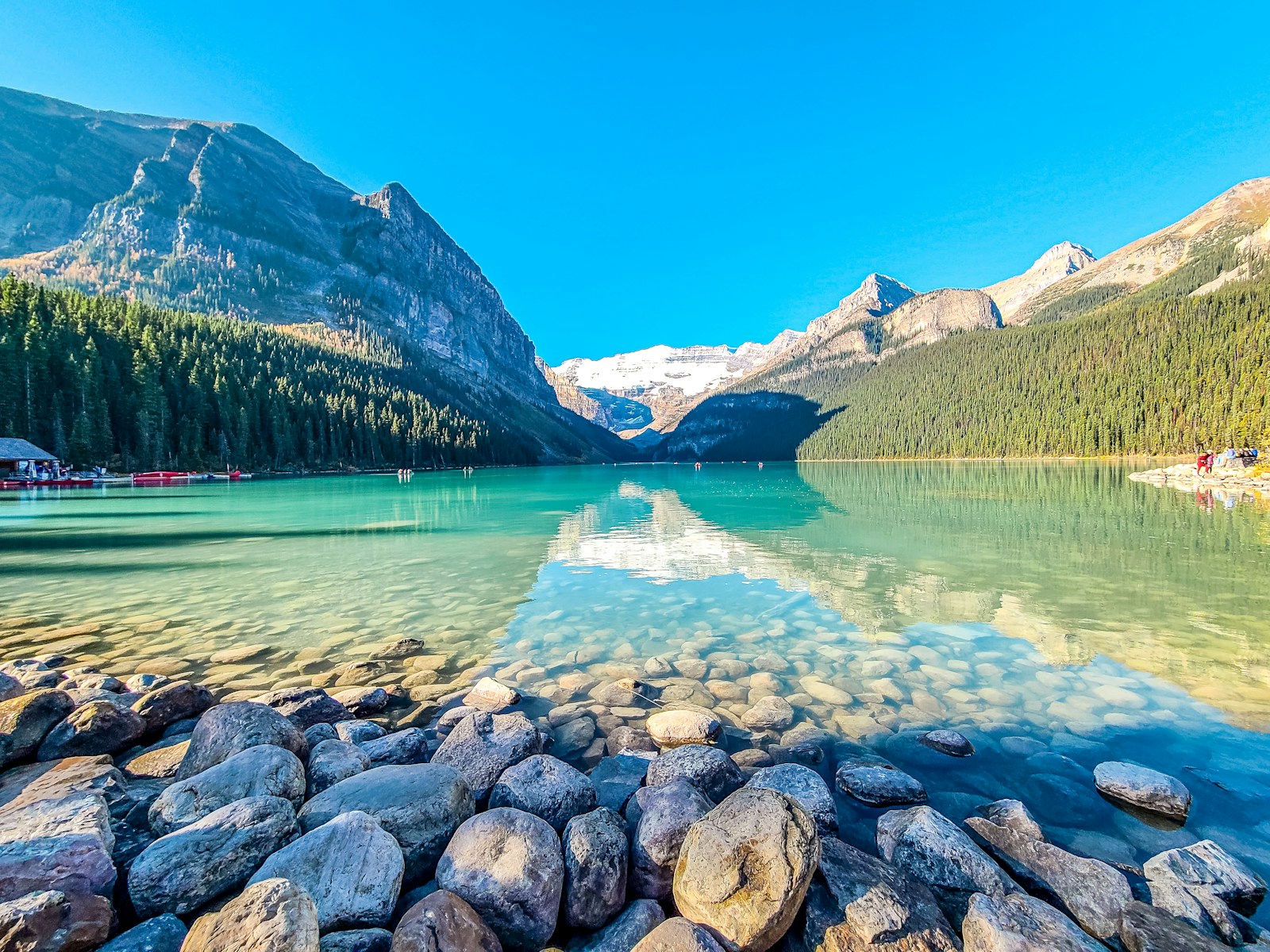
Maligne Lake is Jasper's most iconic landscape — a 22-kilometre lake of extraordinary clarity ringed by mountains and fed by glacial meltwater. Spirit Island, a tiny forested outcrop in the lake's upper reaches accessible only by tour boat, is one of the most photographed locations in Canada. Maligne Canyon is a narrow slot canyon carved by the Maligne River to depths of 55 metres, crossed by six footbridges that offer increasingly dramatic views into the gorge. In winter, the canyon freezes into a spectacular blue ice world, accessible on guided ice-walking tours that take visitors along the frozen canyon floor.
Jasper's dark sky preserve is one of the largest in the world — designated in 2011, the combination of minimal light pollution and high altitude produces star displays of exceptional clarity. The Milky Way is visible to the naked eye from most of the park on moonless nights, and the northern lights appear from September through March with frequency that makes Jasper one of the best aurora-viewing destinations in North America outside Alaska. The Jasper SkyTram rises to 2,277 metres on Whistlers Mountain, extending the viewing window for both wildlife and aurora across a panorama that takes in the entire Athabasca Valley and the mountains beyond.
Wildlife photographers, serious hikers and backcountry campers, aurora watchers (September-March), and Banff visitors who want a less-crowded Canadian Rockies experience.',
Compare prices and book your trip — hotels, flights, and guided tours.
* Links open partner sites. We may earn a commission at no extra cost to you. See our editorial policy.