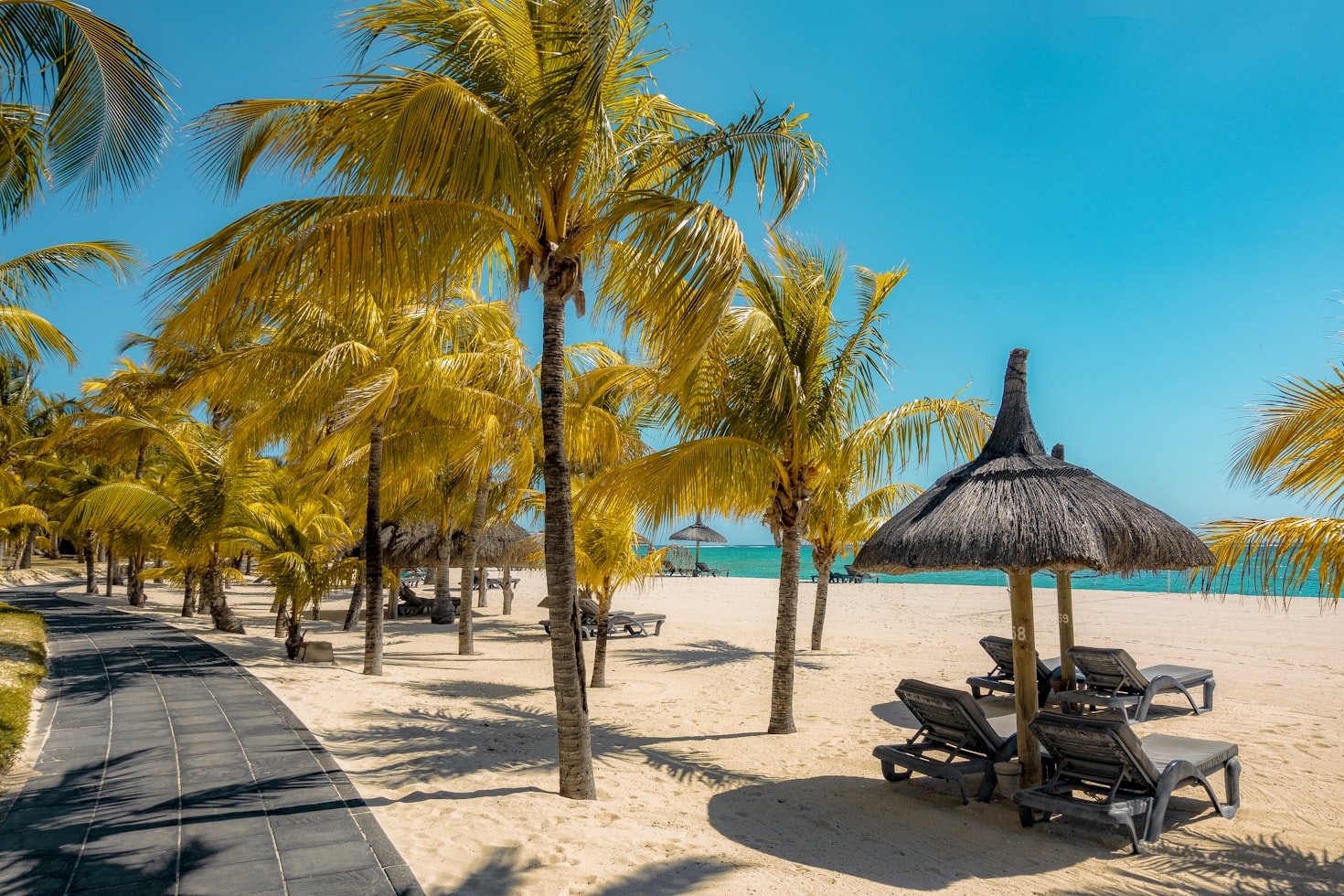
beach
🌴 Mauritius
📍 Mauritius · Africa
📍 Mauritius · Africa
🏛 Le Morne Brabant
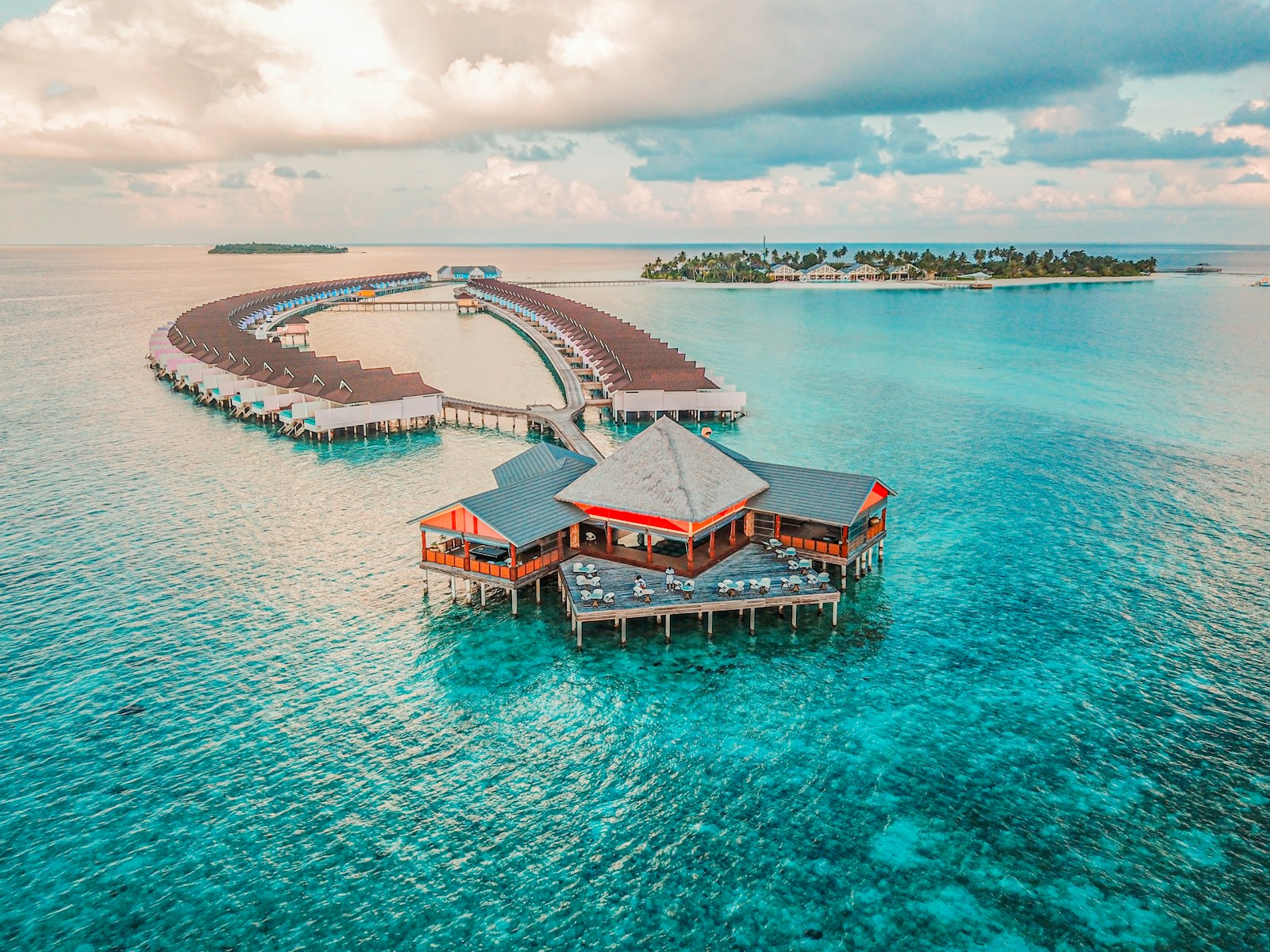
Mauritius is a volcanic island nation in the Indian Ocean, 2,000 kilometres off the southeast coast of Africa, where coral reefs encircle turquoise lagoons and forested mountains rise from the coastal plain. Unlike flat coral atolls, Mauritius has genuine topography — the Black River Gorges, Chamarel's coloured earth dunes, and the dramatic Le Morne Brabant peninsula (a UNESCO World Heritage Site and symbol of resistance against slavery) give the island landscape depth that pure beach destinations lack. The population of 1.3 million blends Indian, African, Chinese, French, and Creole heritage into one of the world's most harmonious multicultural societies.
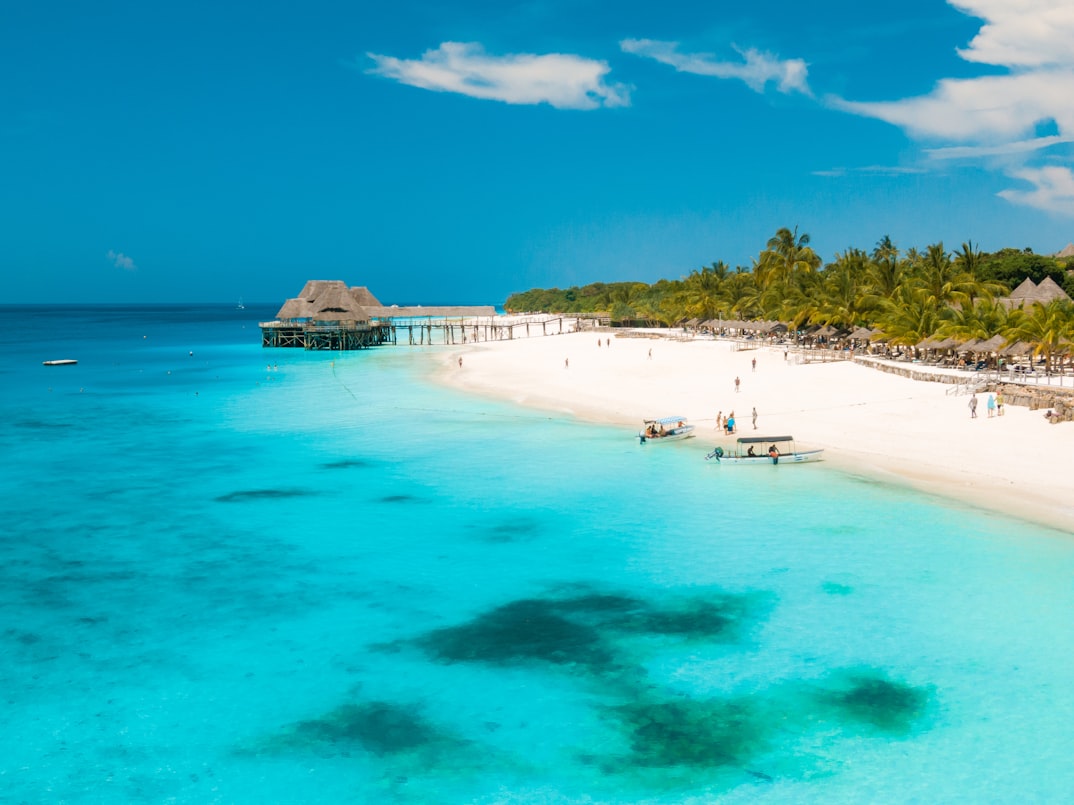
The beaches are exceptional. The east coast (Belle Mare, Palmar) has the widest stretches of white sand and the calmest lagoon swimming. The west (Flic en Flac, Tamarin) catches spectacular sunsets and offers the best kitesurfing and dolphin-watching boat trips. Le Morne, at the southwestern tip, combines a UNESCO-listed mountain, luxury resorts, and some of the Indian Ocean's most reliable wind for kitesurfing. The underwater waterfall illusion off the Le Morne coast — sand cascading over the continental shelf, visible only from the air — is best seen by helicopter or scenic flight; it is an optical effect rather than a literal waterfall, but the aerial view is extraordinary.
Inland Mauritius rewards exploration beyond the resort perimeter. Port Louis, the capital, has one of the Indian Ocean's best central markets — spices, street food (dholl puri flatbread, mine frite noodles, fresh tropical fruit), and a genuine cross-section of Mauritian daily life. Chamarel village holds the Seven Coloured Earths (dunes of mineral-rich soil in distinct red, brown, and purple bands) and the 100-metre Chamarel waterfall. Black River Gorges National Park protects endemic bird species including the pink pigeon and Mauritius kestrel — both brought back from near-extinction by dedicated conservation programmes. Rodrigues, a smaller sister island 560 kilometres east, offers even quieter beaches and exceptional hiking.
Practical planning: May to November is the cooler, drier season and ideal for beach and hiking; December to April is hotter and humid with cyclone risk (travel insurance essential). All-inclusive resort stays are comfortable but insular — rent a car for at least two days to reach markets, mountains, and local restaurants. The food scene is a highlight: French technique meets Indian spices and Creole ingredients; a table d'hôte dinner at a family guesthouse often surpasses hotel restaurants. English is widely spoken alongside French and Mauritian Creole, and direct flights from Europe and the Gulf make the island straightforward to reach.
Honeymooners, luxury resort travellers, kitesurfers, and anyone wanting a beautiful Indian Ocean island with genuine multicultural depth.
Compare prices and book your trip — hotels, flights, and guided tours.
* Links open partner sites. We may earn a commission at no extra cost to you. See our editorial policy.