beach
🏖️ Mozambique
📍 Mozambique · Africa
📍 Mozambique · Africa
🏛 Bazaruto Archipelago
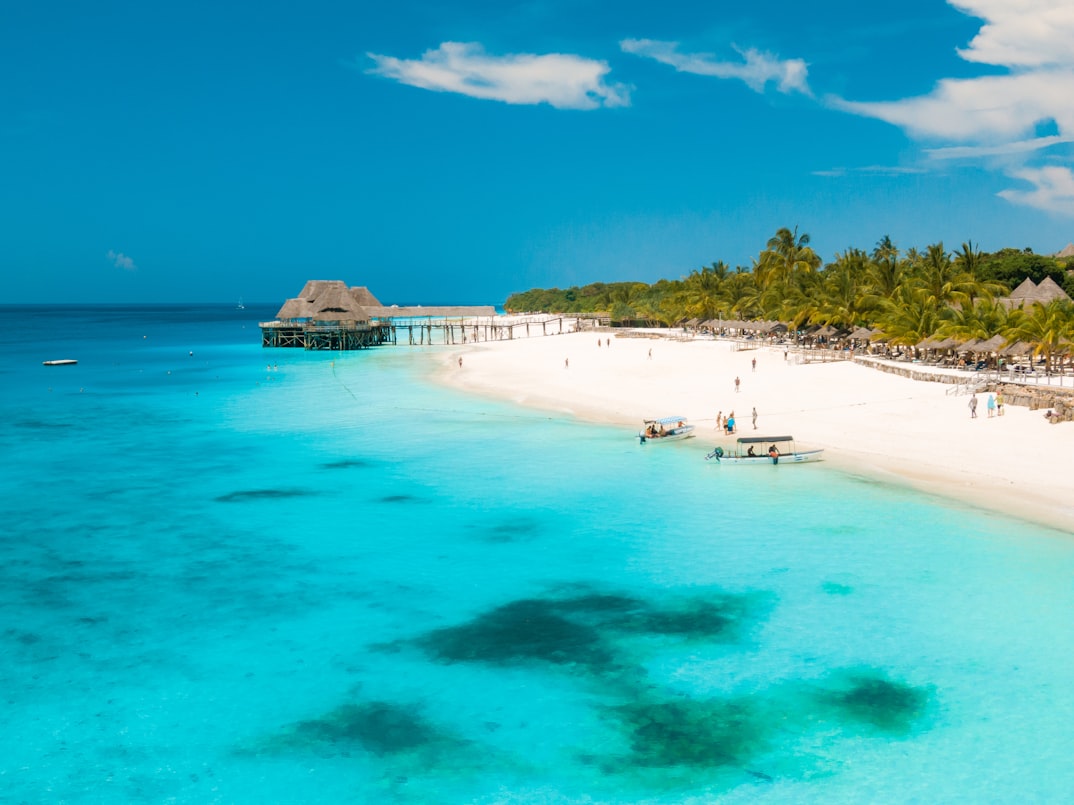
Mozambique has a coastline of 2,500 kilometres on the Indian Ocean — one of Africa's longest — and it remains among the continent's least-touristed beach destinations despite the extraordinary quality of its marine environments. The country's post-civil war recovery (the war ended in 1992) and subsequent political stability have allowed its islands, coral reefs, and coastal forests to remain largely untouched, creating conditions for world-class marine wildlife encounters that more accessible destinations have long since lost to over-visitation.
The Bazaruto Archipelago, accessible by boat or light aircraft from Vilanculos, is the most visited of Mozambique's island systems and protects the largest remaining population of dugong in East Africa. These large, gentle marine mammals — the inspiration for mermaid mythology — graze on seagrass beds in the lagoons between the islands while whale sharks, manta rays, dolphins, and five species of turtle patrol the outer reefs. The diving and snorkeling here ranks among the Indian Ocean's finest: water temperatures of 25-28°C year-round, visibility often exceeding 20 metres, and almost no boat traffic on the outer reefs.
The Quirimbas Archipelago in the north — 32 coral islands stretching 250 kilometres along the northern coast — is even less visited and more dramatic. Ibo Island holds a Portuguese fortified town whose colonial stone buildings are being slowly reclaimed by vegetation and whose population still works in silver filigree jewellery, a craft introduced by Arab traders a thousand years ago. Pemba on the mainland is the northern hub; the snorkeling off Medjumbe, Vamizi, and Quilalea is considered the finest in Mozambique. The conservation organisation Oceans Without Borders operates here and has significantly improved marine health since the 1990s.
Practical planning: The most established southern circuit runs Johannesburg to Vilanculos to Bazaruto; the north requires internal flights via Pemba. Best time April to November (dry season; avoid March-April rains and December-February cyclone risk). Tofo Beach near Inhambane in the south is the best base for whale shark and manta ray diving (October-March peak). Portuguese is the official language; English is limited outside tourist areas. Visa on arrival is available for most nationalities.
Practical planning for Mozambique: the best time to visit is season-dependent, with a typical budget level of mid-range. Most travellers need three to five full days to cover the highlights without rushing — add extra time if you are combining Mozambique with nearby regions.
Priority experiences include local food, culture, and outdoor experiences. Do not miss the main sights and neighbourhoods.
Before you book, verify entry requirements for Mozambique — visa rules, passport validity, and any health documentation change frequently. Travel insurance with medical evacuation cover is worthwhile for international trips.
Where to stay: pick a walkable neighbourhood close to your main interests rather than the cheapest option far from the centre — transport costs and lost time often erase the savings. Book popular restaurants, guided tours, and peak-season accommodation early for high season dates.
Divers, beach lovers who want authentic African coastal life rather than resort Africa, and adventurous travellers with at least 10 days.
Compare prices and book your trip — hotels, flights, and guided tours.
* Links open partner sites. We may earn a commission at no extra cost to you. See our editorial policy.