adventure
🤿 Palau
📍 Palau · Oceania
📍 Palau · Oceania
🏛 Jellyfish Lake
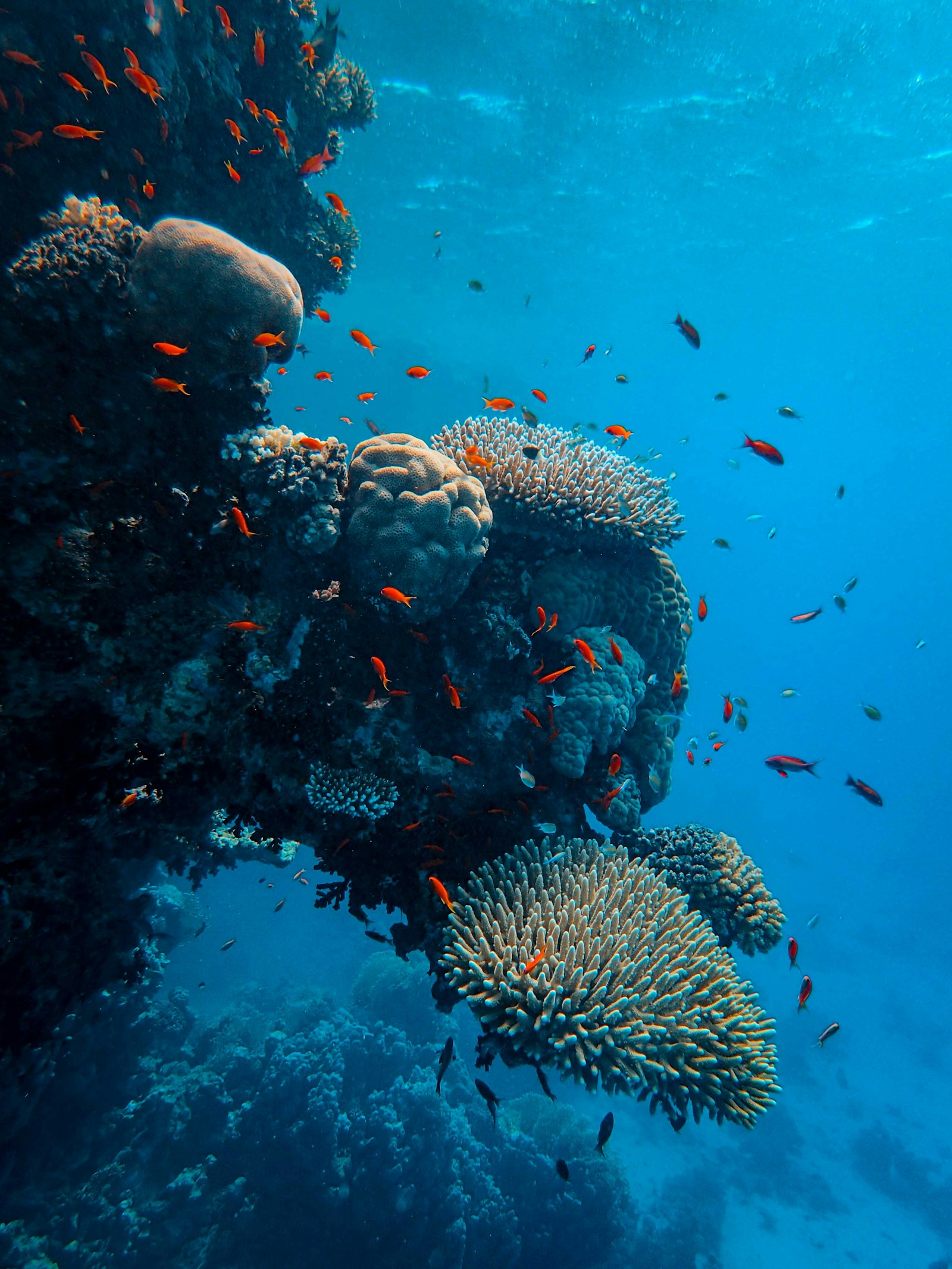
Palau is a micro-archipelago of 340 islands in the western Pacific and is broadly considered the best diving destination in the world by the community of serious divers. This is not marketing: Palau sits at the confluence of Pacific and Indian Ocean current systems in the Coral Triangle — the global centre of marine biodiversity — and its waters have been protected by a network of marine reserves since the 1990s, including the world's first shark sanctuary (2009), where all shark fishing is permanently prohibited across 600,000 square kilometres of Palauan waters.
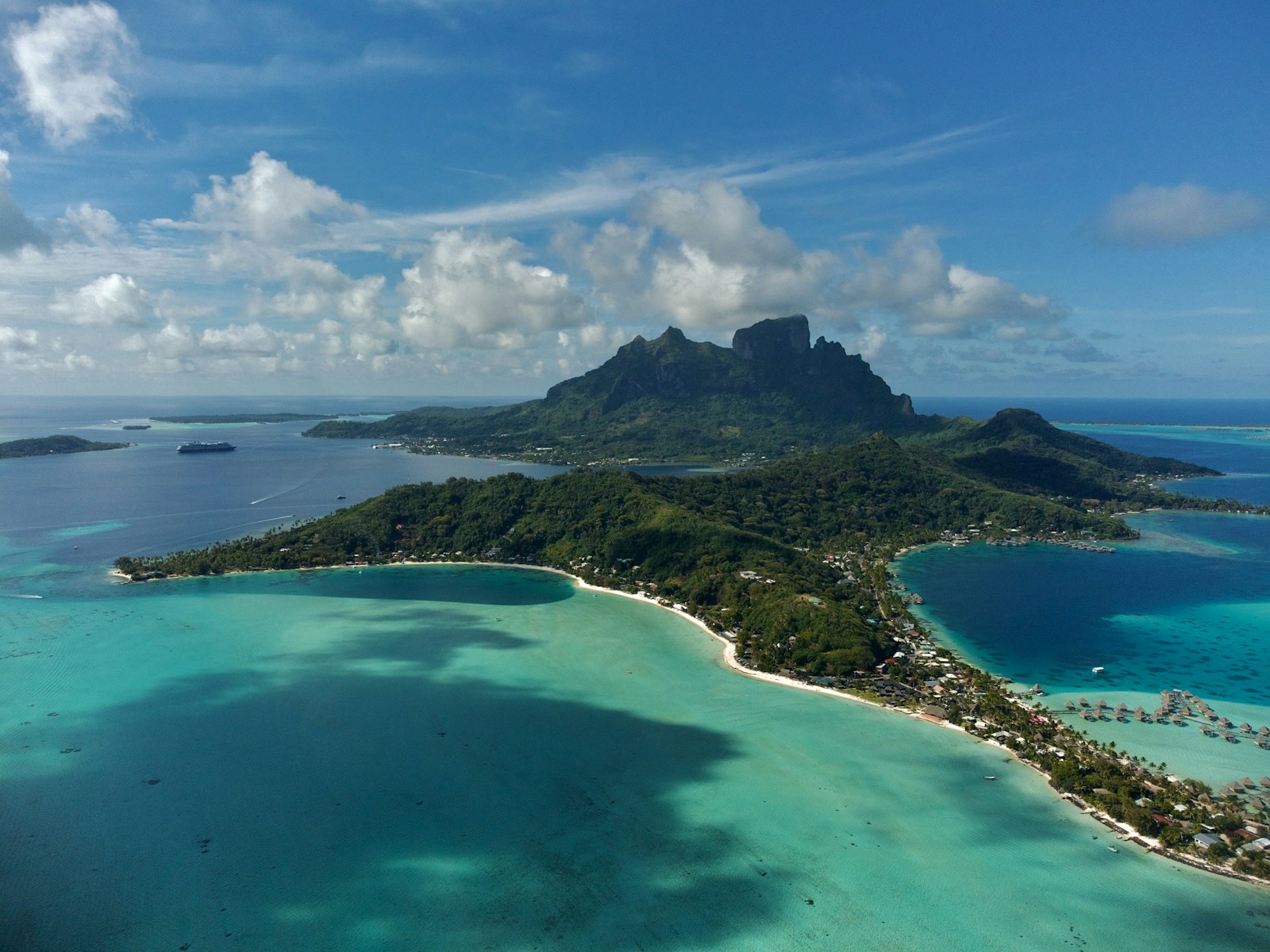
The diving sites around the Rock Islands — a UNESCO World Heritage landscape of 200 limestone mushroom islands covered in forest and undercut by the sea — are among the world's most celebrated. Blue Corner is the signature dive: a triangular reef projecting into a current channel where grey reef sharks, white tip sharks, eagle rays, barracuda, and Napoleon wrasse accumulate in extraordinary density. Divers use reef hooks to anchor themselves in the current and watch the marine traffic passing at close range. German Channel sees seasonal manta ray aggregations (November to April); Ulong Channel has grey reef sharks and excellent hard coral.
Jellyfish Lake (Ongeim'l Tketau) is Palau's most unusual attraction. An enclosed marine lake on Eil Malk island, cut off from the ocean 12,000 years ago, has evolved its own population of golden jellyfish — millions of them — that have lost their stinging ability through the absence of predators. Swimming among them — millions of pulsing golden bells surrounding you in every direction — is one of the world's most surreal wildlife encounters. The lake was closed in 2016 due to population collapse but has recovered significantly and is currently open.
Practical planning: Palau is expensive — dive liveaboard trips run $300-500/day, land-based operations $150-250/day. Best time October to April (calmer seas, best visibility). The Palau Pledge — signed by every visitor on entry, committing to respect the marine environment — is a sincere and legally meaningful conservation document. United Airlines and Korean Air fly direct connections; most visitors route through Manila, Seoul, or Tokyo. Combine with Chuuk Lagoon (WWII wreck diving) and Yap (manta rays) for the full Micronesia dive circuit.
Practical planning for Palau: the best time to visit is season-dependent, with a typical budget level of mid-range. Most travellers need three to five full days to cover the highlights without rushing — add extra time if you are combining Palau with nearby regions.
Priority experiences include local food, culture, and outdoor experiences. Do not miss the main sights and neighbourhoods.
Before you book, verify entry requirements for Palau — visa rules, passport validity, and any health documentation change frequently. Travel insurance with medical evacuation cover is worthwhile for international trips.
Where to stay: pick a walkable neighbourhood close to your main interests rather than the cheapest option far from the centre — transport costs and lost time often erase the savings. Book popular restaurants, guided tours, and peak-season accommodation early for high season dates.
Serious divers willing to pay premium prices to dive what many consider the world's best sites, and marine conservation enthusiasts who want a destination that actively enforces its protection commitments.
Compare prices and book your trip — hotels, flights, and guided tours.
* Links open partner sites. We may earn a commission at no extra cost to you. See our editorial policy.