adventure
🌊 Panama
📍 Panama · North America
📍 Panama · North America
🏛 Panama Canal
Panama occupies the narrowest point of the Central American isthmus, where just 80 kilometres of land separate the Pacific and Atlantic oceans — a geographical accident that has made it one of the most strategically important pieces of real estate on earth for five centuries. The Panama Canal, completed in 1914 and expanded with a third set of locks in 2016, handles approximately 4% of world trade and remains the most transformative feat of civil engineering in the Western Hemisphere. The Miraflores Locks visitor centre allows spectators to stand at eye level with massive container ships as they are lifted or lowered through the lock chambers — the sense of scale is overwhelming, and the engineering precision required to move vessels with centimetres of clearance through the chambers is mesmerising even after multiple visits.
Panama City is one of the most architecturally striking capitals in Latin America — Casco Viejo, the 17th-century colonial district declared a UNESCO World Heritage Site, sits just four kilometres from the gleaming towers of the financial district that has earned Panama City the nickname the Dubai of Latin America. Casco Viejo's plazas, churches, and restored mansions now house boutique hotels, rooftop bars, and galleries that have attracted an international creative community. The city's food scene reflects Panama's extraordinary cultural mix — the descendants of workers brought from China, Jamaica, and India to build the Canal, alongside Lebanese, Jewish, and Spanish immigrant communities, have created a cuisine of genuinely surprising diversity.
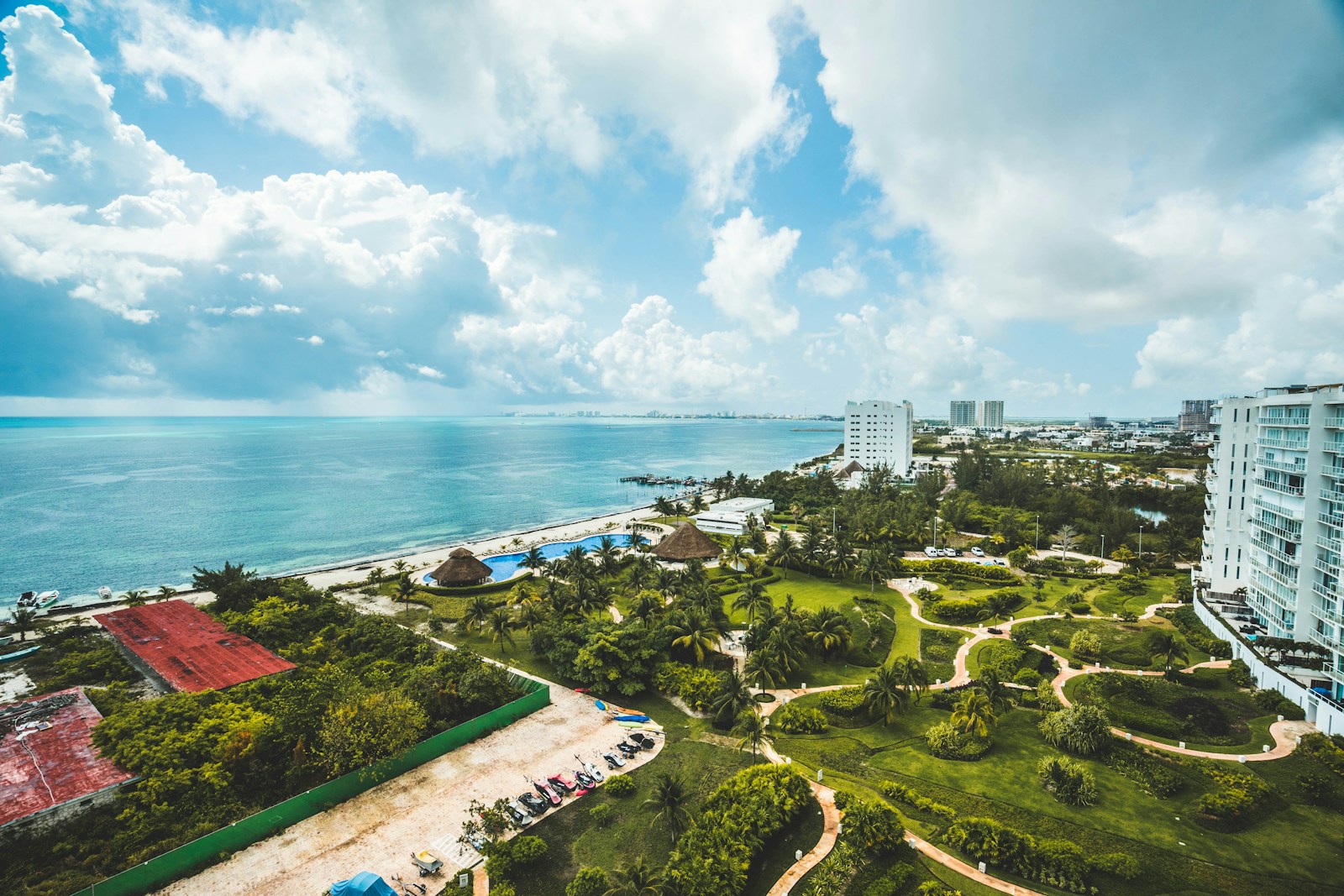
The San Blas Archipelago, governed autonomously by the Kuna Yala indigenous people, comprises 365 islands scattered across the Caribbean coast — most barely large enough for a few palm trees and a hammock. The Kuna have maintained their political autonomy and cultural identity through a governance structure recognised in the Panamanian constitution, and the islands are managed entirely on Kuna terms: no large hotels, no casinos, no jet skis. Visitors arrive by charter boat or small plane and stay in simple thatch-roofed huts on the sand. The molas — reverse appliqué textiles of extraordinary geometric complexity created by Kuna women — are some of the finest indigenous textile art in the Americas.
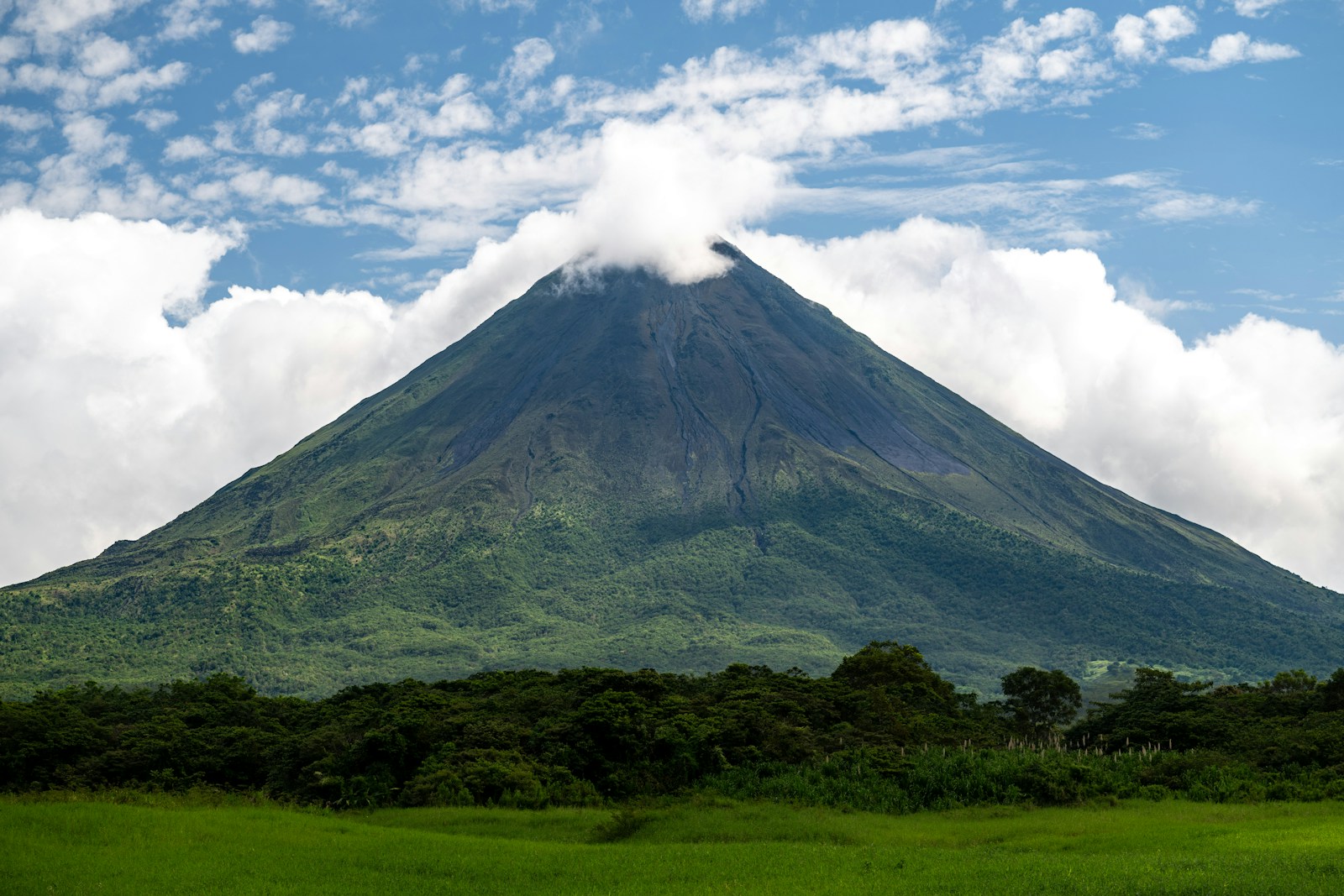
Boquete, in the highlands of Chiriquí province near the Costa Rican border, offers a complete contrast to the coastal lowlands — a cloud forest town at 1,000 metres altitude surrounded by coffee plantations and the biodiversity of the Talamanca Range. The resplendent quetzal, considered by many birders the most beautiful bird in the Americas, breeds in the cloud forest above Boquete from December through April. The Volcán Barú summit trail, reaching 3,478 metres — the highest point in Panama — on clear days affords the only place in Central America where both the Pacific and Atlantic oceans are simultaneously visible.
Travellers combining a canal engineering visit with Caribbean island access, birdwatchers targeting the resplendent quetzal, and Central America explorers who want urban sophistication alongside wilderness.
Compare prices and book your trip — hotels, flights, and guided tours.
* Links open partner sites. We may earn a commission at no extra cost to you. See our editorial policy.