adventure
🐘 Okavango Delta
📍 Botswana · Africa
📍 Botswana · Africa
🏛 Okavango Delta Safari
Botswana has built one of the world's most successful conservation models by pursuing a deliberate policy of low-volume, high-value tourism — keeping visitor numbers low and prices high in order to fund the protection of 37% of the country's land area as national parks, game reserves, and wildlife management areas. The result is some of the last genuinely untouched wilderness in Africa, where wildlife moves through enormous landscapes without fences or the density of vehicles that characterises more accessible safari destinations.
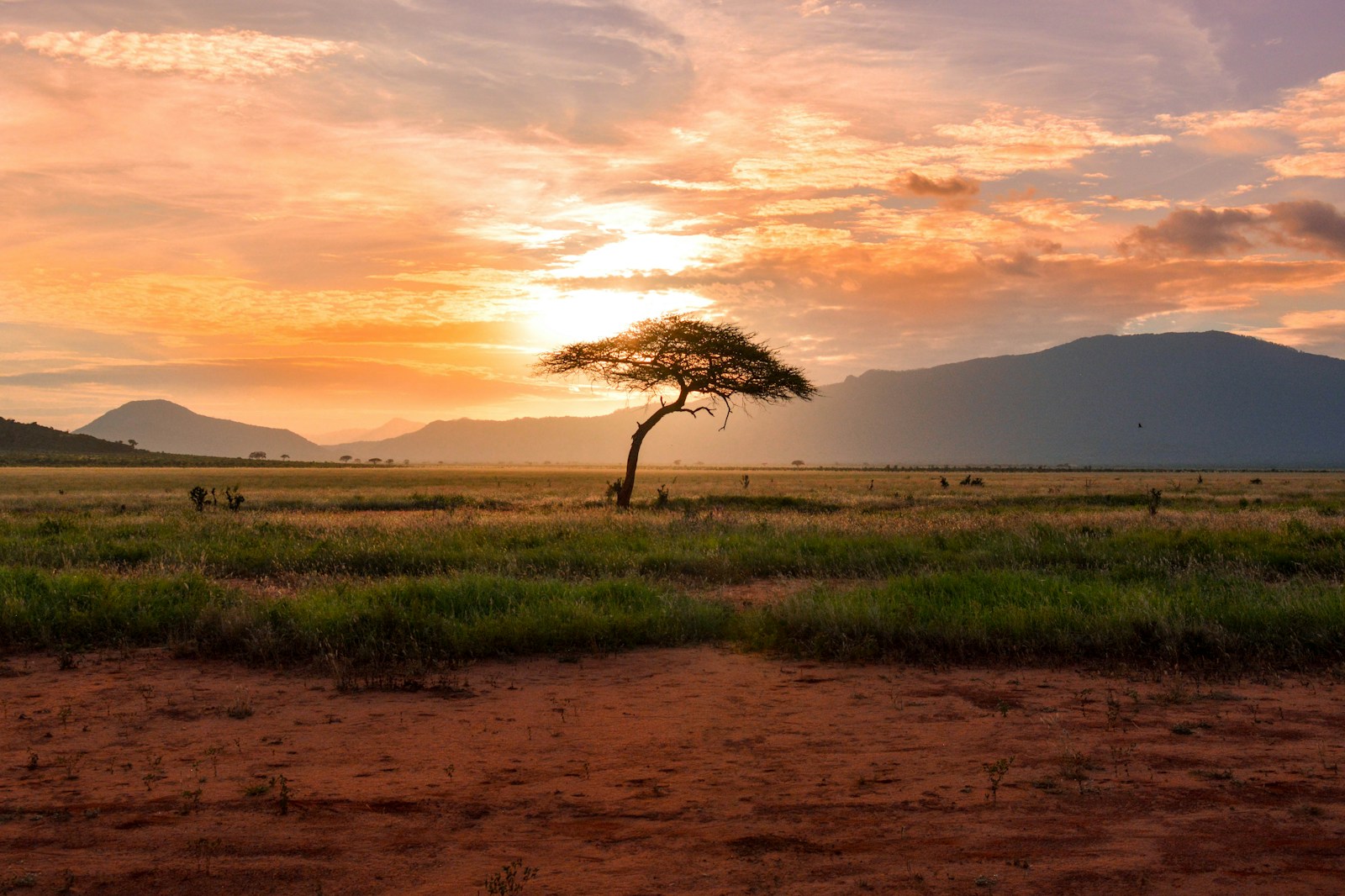
The Okavango Delta is Botswana's crown jewel and one of the world's most unique ecosystems: the Okavango River flows north from Angola, enters the Kalahari Desert, and instead of reaching the sea spreads across a vast inland fan of papyrus, flood plains, and islands before evaporating entirely. The delta's annual flood from March to September transforms the landscape and concentrates extraordinary wildlife — lions hunting buffalo from island to island, leopards carrying kills up fig trees, hippos massing in channels, and enormous herds of elephant navigating the waterways. The classic Okavango experience involves a mokoro (dugout canoe) safari through the papyrus channels guided by a poler standing at the stern, followed by a walking safari on an island and nights in a tented camp surrounded by the sounds of the delta.
Chobe National Park in the northeast has the world's highest density of elephants — approximately 120,000 animals that cross seasonally between Botswana and Zimbabwe. Afternoon boat safaris on the Chobe River offer the extraordinary experience of watching hundreds of elephants swim across the river, with lions, leopards, wild dogs, and four other members of the Big Five also resident. The Central Kalahari Game Reserve — twice the size of Denmark — offers the rare experience of complete wilderness solitude: vast red sand plains, black-maned Kalahari lions, meerkats, and millions of migrating springbok.
Practical planning: Botswana is not a budget destination — deliberately. Expect $700-1,500 per person per night at reputable camps in the Delta. Self-drive in a 4WD is possible in Chobe and the Moremi but requires significant off-road experience. The best time for the Okavango Delta is July-October (dry season) when water recedes and wildlife concentrates. Combine with Victoria Falls in Zimbabwe and/or a Zimbabwe safari at Hwange.
Practical planning for Okavango Delta: the best time to visit is season-dependent, with a typical budget level of mid-range. Most travellers need three to five full days to cover the highlights without rushing — add extra time if you are combining Okavango Delta with nearby regions.
Priority experiences include local food, culture, and outdoor experiences. Do not miss the main sights and neighbourhoods.
Before you book, verify entry requirements for Botswana — visa rules, passport validity, and any health documentation change frequently. Travel insurance with medical evacuation cover is worthwhile for international trips.
Where to stay: pick a walkable neighbourhood close to your main interests rather than the cheapest option far from the centre — transport costs and lost time often erase the savings. Book popular restaurants, guided tours, and peak-season accommodation early for high season dates.
Serious safari enthusiasts willing to pay for genuine wilderness, honeymooners wanting Africa's most exclusive camps, and wildlife photographers who need low vehicle density.
Compare prices and book your trip — hotels, flights, and guided tours.
* Links open partner sites. We may earn a commission at no extra cost to you. See our editorial policy.